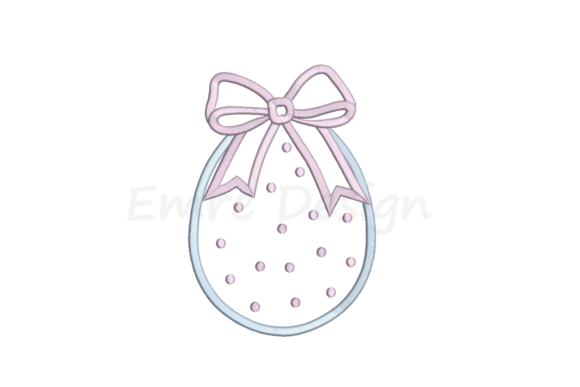
Coquette Easter Egg Outline: A Business Design Review
As an embroidery designer specializing in commercial merchandise, I approach seasonal files with a critical eye. While the Coquette Easter Egg Outline Embroidery is marketed as a charming addition to home decor and personal apparel, small business owners need to know if it can withstand the rigors of branded merchandise. When evaluating this machine embroidery design for professional use, we must look beyond the whimsical aesthetic and analyze stitch integrity, scalability, and brand alignment. This review assesses whether this specific embroidery file is a viable asset for cafes, boutiques, florists, and creative studios looking to capitalize on spring marketing without sacrificing professional quality.
Visual Personality and Brand Alignment
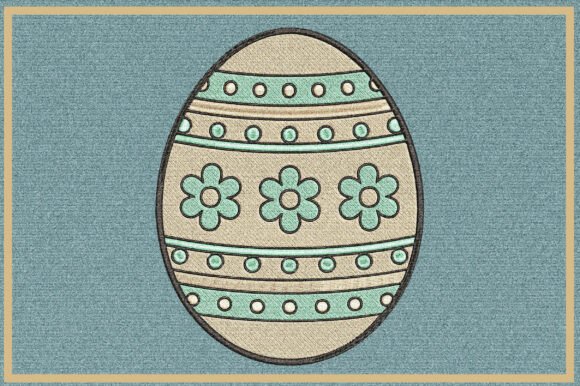
The first impression of the Coquette Easter Egg Outline Embroidery is undeniably soft and feminine. The "coquette" aesthetic typically implies delicate lines, bows, and vintage-inspired elegance. For a business, this visual language communicates approachability, artisanal care, and attention to detail. It does not read as corporate or industrial; rather, it signals a handmade product ethos. This makes it exceptionally well-suited for businesses where warmth and personality are selling points, such as independent bakeries, floral shops, pet brands, or Etsy sellers focusing on cottage-core aesthetics.
However, brand identity relies on consistency. If your business branding is bold, minimalist, or tech-forward, this design may clash with your established visual assets. Conversely, for businesses that already utilize pastel palettes, serif fonts, or romantic imagery, this design acts as a perfect seasonal bridge. It enhances customer trust by showing that your small business merch is curated thoughtfully rather than relying on generic, mass-produced clip art. The outline style specifically offers a modern, airy feel that prevents the design from looking too heavy or juvenile, allowing it to transition smoothly from Easter-specific promotions to general spring branding.
Commercial Applications for Small Businesses
In a real-world scenario, versatility is key for return on investment. I have evaluated how the Coquette Easter Egg Outline Embroidery performs across various commercial applications:
- Boutique Apparel: As a left-chest accent on linen shirts or lightweight cardigans, the outline style provides sophistication without overwhelming the garment. It serves as a subtle logo alternative for spring collections.
- Cafe and Bakery Staff: On denim or canvas aprons, this design adds a festive touch to staff uniforms. Because it is an outline design, it generally has lower stitch density, making it more comfortable for staff to wear during long shifts compared to dense satin-stitch eggs.
- Retail Packaging: Embroidered directly onto reusable tote bags or muslin drawstring sacks, this design elevates the unboxing experience. It transforms simple packaging into a keepsake, encouraging repeat business.
- Event Merchandise: For spring markets or pop-up shops, this design works beautifully on napkins, tea towels, or cloth coasters. These items serve as both functional event gear and retail products.
- Pet Brand Accessories: The whimsical nature translates well to bandanas or pet apparel. The lighter stitch count is often safer and more comfortable for animals than heavy fill designs.
Technical Considerations and Production Risks
While aesthetically pleasing, outline designs present unique challenges in commercial embroidery. Before loading this digital embroidery file into your machine for production, you must evaluate specific technical constraints. Outline stitches, often running stitches or bean stitches, lack the structural stability of fill patterns. This means they are highly dependent on proper stabilization and fabric choice.
Fabric Texture and Stability: On textured fabrics like terry cloth towels or chunky knits, thin outlines can get lost or sink into the pile. For these materials, you may need to add a topping or increase the stitch width slightly. Conversely, on slippery performance fabrics used in activewear, the outline may distort without adequate backing. Always test on the exact material intended for the final product.
Cap and Curved Surface Embroidery: Using this design for cap embroidery requires caution. Caps have seams and curvature that can cause registration issues with continuous outlines. If the egg shape wraps around the center seam of a cap, you risk misalignment. I recommend placing this design off-center or using it only on structured caps with firm buckram backing. Unstructured dad hats may be too unstable for crisp outline work unless hooped perfectly.
Small Patch Sizes: If you intend to create an embroidered patch, verify the minimum size. Outline details can merge when scaled down below 2 inches. Thread thickness matters here; a standard 40-weight thread might be too thick for tiny details, whereas 60-weight thread could offer better definition but less durability. Always check the digitizer’s recommended minimum size before attempting micro-patches.
Designer Notes for Professional Results
To ensure the Coquette Easter Egg Outline Embroidery meets professional standards, follow this pre-production checklist. Do not skip these steps, as they protect your reputation and reduce waste.
- Verify Licensing: Before selling any item featuring this design, confirm the commercial license terms. Some designers restrict usage to personal projects or limit the number of physical items sold. Protect your business legally.
- Check Hoop Size Compatibility: Ensure the design fits within your machine’s maximum sewing field with adequate margin for hoop clearance. Never force a design into a hoop that is barely large enough; this causes tension issues and flagging.
- Test Stitch Density: Run a sew-out on scrap fabric identical to your production material. Inspect the outline for gaps, puckering, or thread breaks. If the outline pulls the fabric, adjust your stabilizer weight or add spray adhesive.
- Evaluate Thread Color Contrast: Pastel threads on white fabric can disappear in photos and low light. Test high-contrast versions (e.g., sage green or dusty rose) to ensure visibility on merchandise. Remember that screen colors differ from thread sheen.
- Create Printable Mockups: Before committing to bulk production, place the digitized design next to your existing logo and other design assets. Create a printable mockup to visualize scale and placement. Get client or team approval on the visual hierarchy.
- Wash Testing: Outline stitches can fray faster than satin columns. Wash and dry the test sample three times to ensure the design holds up to customer use, especially for aprons and towels.
Enhancing Product Value Through Strategic Design
Ultimately, the decision to use the Coquette Easter Egg Outline Embroidery should be driven by value creation. When executed correctly, this design does more than decorate; it tells a story. For a florist, it reinforces the natural, delicate beauty of their arrangements. For a bakery, it evokes nostalgia and homemade comfort. These emotional connections drive buyer engagement and justify premium pricing on custom apparel and accessories.
However, professionalism lies in the execution. A poorly stabilized outline on a staff uniform looks amateurish and damages brand perception. By treating this machine embroidery design with the same technical rigor as a corporate logo, you ensure that your seasonal merchandise enhances rather than detracts from your business image. Whether used as a standalone motif or paired with custom text, this design offers significant potential for businesses willing to validate its technical suitability for their specific niche. Always prioritize the integrity of the finished product over the speed of production to maintain the trust and loyalty of your customers.