Angel Wings Embroidery: A Designer Review for Business
As a professional embroidery designer who specializes in commercial branding and merchandise production, I approach every new machine embroidery design with a critical eye toward production viability. When evaluating the Angel Wings Embroidery file for small business applications, my primary focus is not just aesthetic beauty, but technical performance across various substrates. While this design falls under the Babies category, its visual language offers significant versatility for boutique branding, handmade product labeling, and sentimental merchandise lines. This review analyzes the design’s potential for creating professional small business merch, from embroidered patch production to direct garment decoration.
Visual Personality and Brand Alignment
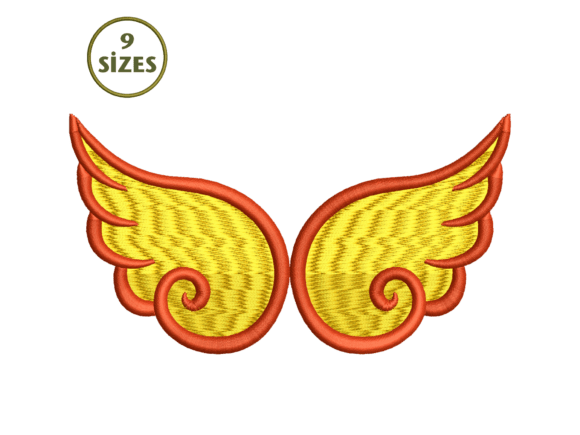
The first impression of Angel Wings Embroidery suggests a balance between delicate artistry and structured digitizing. For business owners in the nursery, floral, pet memorial, or boutique sectors, this design communicates softness, care, and premium attention to detail. Unlike bold athletic logos or dense corporate crests, wing motifs rely on fluid lines and open spacing. From a branding perspective, this creates an immediate emotional connection with customers seeking comfort or celebrating milestones.
However, "delicate" can sometimes translate to "fragile" in commercial embroidery. In my assessment, this design feels professional yet approachable. It avoids the overly cartoonish look that can cheapen a brand, instead leaning into a classic elegance suitable for high-end custom apparel. If your business identity revolves around gentleness, tradition, or artisanal quality, this digital embroidery file aligns well with those values. It serves as an excellent accent graphic rather than a dominant billboard logo, making it ideal for sleeve cuffs, chest placements, or hem details where subtlety enhances perceived value.
Performance Across Merchandise Applications
In real-world production scenarios, Angel Wings Embroidery demonstrates strong adaptability, provided the application matches the design's density. Here is how it performs across common business assets:
- Embroidered Patches: This is perhaps the strongest use case. The wing shape naturally lends itself to merrowed edge finishing. As a standalone patch for baby jackets, denim vests, or memorial items, the design holds its shape well without excessive puckering, assuming proper backing is used.
- Apron Embroidery: For bakeries, florists, or craft studios, placing this design on an apron pocket or strap adds a bespoke touch. Because aprons are typically cotton or canvas, the fabric texture provides a stable base for the wing details, preventing the distortion often seen on stretchy knits.
- Tote Bag Design: Canvas totes are a staple for Etsy sellers and market vendors. Angel Wings Embroidery works beautifully here as a center chest or bottom corner accent. The open areas of the wings prevent the bag from becoming too stiff, maintaining the drape of the fabric.
- Boutique Merchandise: For businesses selling physical goods, adding this design to packaging ribbons, cloth dust bags, or thank-you card holders elevates the unboxing experience. It transforms a simple transaction into a memorable handmade product interaction.
Technical Considerations and Production Risks
Despite its versatility, there are specific environments where Angel Wings Embroidery requires caution. Wing designs often feature tapered satin stitches and running stitch outlines that can be unforgiving if resized improperly. Small business owners must be aware of these limitations before running bulk production.
Size Reduction and Detail Loss
While the design may look crisp at 4x4 inches, reducing it to fit a cap embroidery front or a tiny baby onesie tag can compromise integrity. Tapered wing tips may disappear or cause needle breaks if the stitch density becomes too concentrated. Always verify the minimum recommended size within the embroidery file metadata. If you intend to use this on caps, test the curvature; flat-digitized wings can distort on the rounded surface of a hat unless specifically re-digitized for 3D puff or curved hooping.
Fabric Compatibility and Stabilizer Selection
The success of this design hinges entirely on stabilization. On lightweight baby garments or sheer fabrics, using a heavy cut-away stabilizer might show through the open wing sections, ruining the aesthetic. Conversely, insufficient stabilization on textured towels or fleece will cause the outline stitches to sink into the pile. I recommend testing multiple stabilizer combinations—perhaps a tear-away for stable woven cottons and a lightweight mesh cut-away for knits—to find the perfect balance for your specific inventory.
Washability and Durability
Items categorized under Babies require frequent laundering. You must ensure the thread colors selected are colorfast and bleach-resistant if intended for bibs or burp cloths. Furthermore, check the lock stitches at the start and end of each wing segment. Loose threads on baby items are a safety hazard and a liability. If the digital file lacks sufficient locking, manually add security stitches in your editing software before production.
Impact on Customer Trust and Product Value
Integrating Angel Wings Embroidery into your product line does more than decorate; it signals professionalism. In the saturated market of handmade and baby goods, consistent branding separates hobbyists from established businesses. A cleanly executed wing motif implies that the maker understands their equipment and materials. This visual consistency builds customer trust.
When clients see this design used cohesively across staff uniforms, product tags, and marketing materials, it reinforces brand identity. It suggests that the business pays attention to the smallest details, which translates to an assumption of quality in the core product. Whether you are a photographer offering branded props or a seamstress creating heirloom gowns, this design asset adds tangible monetary value to the finished product.
Essential Pre-Production Checklist for Business Owners
Before listing any item featuring Angel Wings Embroidery for sale, adhere to this professional workflow to minimize waste and returns:
- Verify File Contents: Remember that this is a digital download delivered in ZIP or RAR format. Extract all files and confirm compatibility with your machine before purchasing. No physical item ships, and digital sales are final.
- Create a Printable Mockup: Use software to overlay the design onto photos of your actual blank merchandise. Share this printable mockup with clients for approval to manage expectations regarding size and placement.
- Test Stitch Out: Never run a customer order without a physical test. Stitch the design on the exact fabric and with the exact stabilizer intended for the final product. Inspect registration, tension, and trim jumps.
- Check Licensing: Confirm the commercial usage rights included with the file. Ensure you are permitted to sell finished embroidered items versus selling the digital file itself.
- Evaluate Contrast: Test the design in both light and dark thread on contrasting fabrics. White wings on white fabric may require a tonal shadow stitch or outline to remain visible in product photography.
- Compare Design Assets: Place Angel Wings Embroidery beside your existing logo and typography. Ensure the style weight matches your current branding to maintain visual harmony across your shop.
By treating Angel Wings Embroidery as a technical component of your business infrastructure rather than just a decorative element, you maximize its ROI. Proper testing, strategic placement, and respect for the digitizing parameters will transform this digital file into a powerful asset for your brand’s growth and recognition in the marketplace.