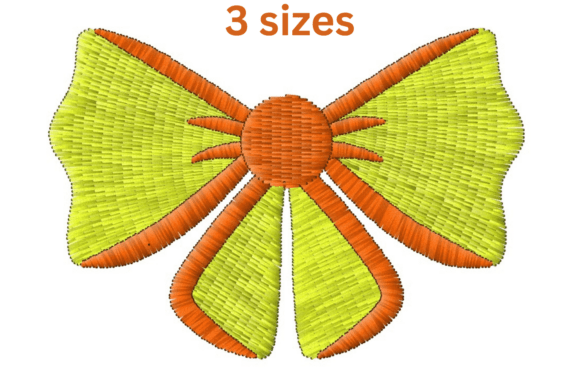
Beautiful Bow Embroidery Design Review
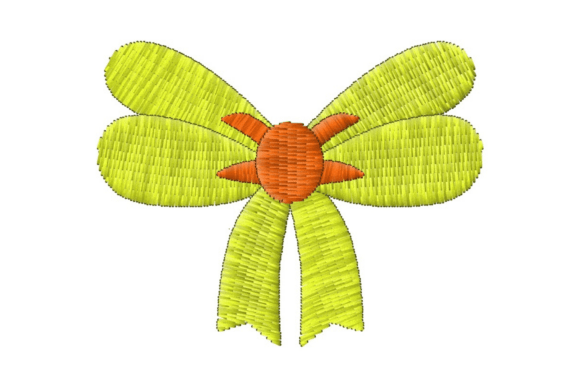
As I prepare my inventory for the upcoming weekend craft fair, I am constantly evaluating which digital assets will translate best into physical sales. When reviewing the Beautiful Bow Embroidery Design, my immediate assessment focuses on its versatility and marketability for handmade vendors. This machine embroidery design presents itself as a soft, elegant motif that bridges the gap between vintage charm and modern minimalism. For an Etsy seller or boutique maker, this balance is crucial. The description highlights smooth ribbon shapes and gentle curves, suggesting a digitizing style that avoids harsh angles. In the Beauty and fashion categories, this aesthetic signals premium quality rather than mass production, making it an ideal candidate for high-margin handmade products.
Evaluating Visual Appeal for Craft Fair Displays
When setting up a booth, visual hierarchy determines what catches a customer's eye from ten feet away versus what convinces them to buy when they are standing at the table. The Beautiful Bow Embroidery Design appears to function exceptionally well as a focal point for mid-sized items. Based on the "timeless look" described, this design likely possesses enough presence to stand alone on a tote bag design without needing excessive text or additional graphics. For a craft fair product lineup, simplicity often sells faster than complexity because customers can instantly understand the vibe.
I envision this design performing strongest on natural fibers like linen and cotton canvas. The "soft and elegant detail" mentioned in the product description suggests a stitch type that lays flat and smooth, which is essential for tea towel embroidery and apron embroidery. On textured fabrics, a design with too much complexity can get lost, but a bow with clean lines and satin elements tends to pop beautifully against waffle weave or slubbed linen. This makes it a reliable choice for kitchen textiles, where buyers expect both utility and aesthetic appeal.
Best Product Applications for Handmade Sellers
Determining where to place this embroidery file requires understanding current market trends. Here is how I would prioritize production for this specific design:
- Tote Bags and Market Shoppers: The classic nature of a bow aligns perfectly with the reusable bag trend. It adds a feminine touch to utilitarian canvas without being overly juvenile.
- Hair Accessories and Bows: While obvious, creating actual embroidered hair bows using this design creates a meta-product that sells incredibly well in the Beauty category.
- Pillow Covers: As a centered accent, this design offers a sophisticated farmhouse or cottage-core look that appeals to home decor shoppers.
- Embroidered Patches: If the design has a defined border or can be easily adapted, it serves as an excellent iron-on patch for denim jackets, appealing to a younger demographic looking for customization.
- Baby and Child Items: The "gentle curves" make this appropriate for nursery decor or baby bibs, expanding your target audience beyond adult fashion.
Production Practicality and Batch Efficiency
For small shop product creators, time is money. A design might look beautiful on screen, but if it takes three hours to stitch out or requires constant thread changes, it destroys profit margins. The Beautiful Bow Embroidery Design seems optimized for batch production due to its implied color efficiency. A "smooth ribbon shape" typically utilizes long satin stitches or fill patterns that cover ground quickly compared to intricate floral details or tiny lettering.
This efficiency allows for rapid turnover during pre-fair prep. I can load multiple hoops and run this design on tea towels or pouches while packing other orders. Furthermore, the timeless aspect means this isn't a seasonal fad; unsold inventory from the weekend fair can remain listed online year-round without feeling dated. For commercial embroidery businesses, having a library of evergreen designs like this reduces the pressure to constantly purchase new trending files.
Critical Technical Considerations Before Stitching
Despite the elegant description, every embroidery designer knows that real-world application requires testing. Before committing this design to expensive finished products, you must address several technical variables. Always check the specific hoop size requirements before purchasing or stitching. A design that looks delicate on a computer screen may have dense stitch areas that pucker lightweight fabric if not stabilized correctly.
I strongly advise testing the stitch density on scrap fabric identical to your final product. If you are planning tea towel embroidery, test on terry cloth first. Thick loops can push stitches down, causing the beautiful bow to disappear or look uneven. Conversely, if applying this to a cap, ensure the digitizer has accounted for the curved surface; standard flat embroidery files often distort on hats unless specifically created for them. Dark fabrics also present a challenge; verify that the design includes adequate underlay to prevent the fabric texture from showing through light-colored threads.
Merchandising and Digital Presentation Strategy
Selling handmade goods is 50% product and 50% presentation. How you display the Beautiful Bow Embroidery Design matters as much as the stitch quality. At a physical market, avoid hiding this design inside a folded stack. Display it on a mannequin or a hanging rack where the "gentle curves" are visible at eye level. Pair it with complementary textures; if the bow is stitched in blush pink, display it next to cream linens or sage greens to enhance the soft elegance.
For digital sellers and Etsy shops, photography is paramount. Because this design is described as adding "soft detail," harsh flash photography will wash it out. Use natural lighting to capture the sheen of the rayon or polyester thread. Create a printable mockup to show customers scale, especially if selling the digital embroidery file itself. Buyers need to visualize whether the bow is a subtle pocket accent or a large back piece. Accurate representation reduces returns and increases buyer confidence.
Designer Notes for Commercial Success
To maximize the return on investment for this design asset, follow these professional guidelines:
- Verify Licensing: Before selling any finished product or the file itself, confirm the commercial licensing terms. Some designers allow unlimited physical sales but prohibit sharing the digital file.
- Thread Color Matching: Do not rely solely on the default colors in the file. Test thread colors against your specific fabric batches. A "beautiful" bow can look cheap if the thread tone clashes with the base material.
- Stabilizer Selection: Use cut-away stabilizer for stretchy fabrics and tear-away for stable woven cottons. The right stabilizer preserves the integrity of those smooth ribbon shapes.
- Create Variations: Offer the design in multiple colorways at your booth. A navy bow appeals to a different buyer than a pastel one, effectively doubling your potential customer base with zero extra digitizing cost.
- Inspect Small Details: If resizing the design smaller than intended, check that tiny connection points do not break. Elegant designs often fail when scaled down too aggressively.
Ultimately, the Beautiful Bow Embroidery Design represents a strong addition to a professional crafter’s portfolio. Its blend of classic aesthetics and adaptable styling makes it a workhorse for various applications, from high-end apparel to giftable home goods. By approaching this design with a critical eye toward production efficiency, fabric compatibility, and merchandising strategy, you transform a simple digital file into a profitable component of your handmade business. Always remember that in the world of machine embroidery, the most successful products are those where technical execution matches artistic vision.