Carousel Horse Embroidery Design Review
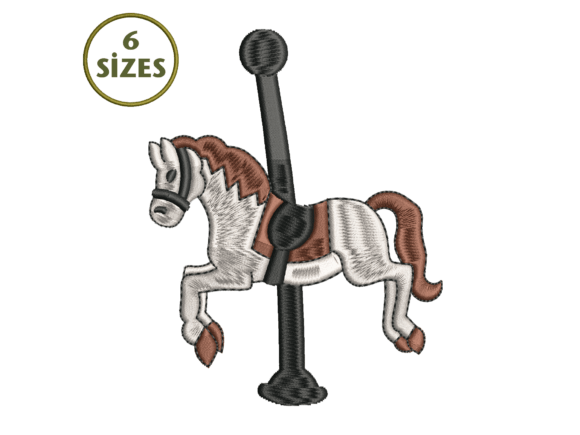
As I prepare my inventory for the upcoming weekend craft fair, my table display needs a centerpiece that bridges the gap between vintage nostalgia and modern handmade appeal. When evaluating the Carousel Horse Embroidery Design for commercial production, I am looking for more than just a pretty picture; I need a reliable machine embroidery design that translates well across various substrates and captures customer attention from three feet away. This specific design, featuring a beautifully detailed white stallion inspired by vintage fairgrounds, immediately strikes me as a premium contender for boutique makers and Etsy sellers targeting the cottagecore and farmhouse aesthetics.
First Impressions and Market Positioning
The initial visual impact of this Carousel Horse Embroidery Design is undeniably elegant yet playful. Unlike generic farm animal clipart often found in basic digitizing packs, this motif carries a sense of history and artistry. For a craft fair product, this distinction is vital. Customers at handmade markets are seeking items that feel curated and special. The white stallion silhouette suggests a classic, timeless quality that pairs exceptionally well with natural linen, cream cotton, and soft pastel bases. It does not read as juvenile; rather, it feels like a sophisticated nod to childhood memories, making it appropriate for adult-sized aprons, market totes, and home decor.
From a branding perspective, this design serves as an excellent anchor for a cohesive collection. If you are an Etsy seller or small shop owner, this motif allows for easy expansion into related design assets. It evokes feelings of festive joy without being tied to a specific holiday, giving it year-round selling power. Whether positioned as a standalone focal point on a pillow cover or as part of a series on tea towels, the design communicates high perceived value, which justifies a higher price point for your finished product.
Best Applications for Craft Fair Inventory
When planning booth samples, versatility is key to maximizing ROI on a single embroidery file. Based on the intricate nature of the white stallion, here is how I evaluate its performance across different categories:
- Tote Bag Design: This is arguably the strongest application. A large-hoop version of the carousel horse centered on a natural canvas tote creates an instant bestseller. The contrast of white thread against unbleached canvas highlights the stitch definition, making it visible from a distance at a busy market booth.
- Apron Embroidery: For the baking and gardening demographic, placing this design on the bib of a cross-back apron adds a touch of whimsy. It elevates a utilitarian item into a giftable handmade product.
- Tea Towel Embroidery: While effective, caution is needed here. Flour sack towels work better than terry cloth because the smoother fabric texture preserves the fine details of the horse’s mane and saddle ornamentation.
- Embroidered Patch: Creating standalone patches allows customers to customize their own denim jackets or caps. This lowers the entry price point for buyers who love the aesthetic but aren't ready to purchase a full tote or pillow.
- Pillow Covers: As a home decor accent, this design shines on velvet or linen shams. The dimensional quality of the embroidery adds tactile interest that prints cannot replicate.
Production Practicalities and Technical Notes
A beautiful screen image does not always guarantee a smooth production run. As an experienced designer, I must emphasize the importance of understanding stitch density before committing to batch production. A detailed white stallion likely contains significant fill stitches to create shading and muscle definition. On lightweight fabrics, this density can cause puckering or distortion. Always verify the recommended hoop size and use an appropriate stabilizer. For totes and canvas, a medium-weight cutaway is usually necessary to support the weight of the thread. For tea towels, a tear-away topped with water-soluble stabilizer helps prevent stitches from sinking into the weave.
Furthermore, consider the scalability of this digital embroidery file. Intricate designs often lose clarity when resized down. If you plan to offer this as a pocket-sized accent on a child's dress or a cap, test the minimum size first. Tiny details in the bridle or saddle may become indistinguishable blobs if reduced too aggressively. Conversely, enlarging the design beyond its original digitized parameters can result in sparse coverage or registration issues. Always respect the digitizer's intended size range to maintain professional quality in your commercial embroidery output.
Color Strategy and Thread Selection
While the description specifies a white stallion, the background elements and shading threads dictate the overall mood. Before running production, audition thread colors against your chosen base fabrics. White thread on white fabric requires tonal variation or shadow stitching to be visible; otherwise, the design disappears. On dark fabrics, ensure the white thread has enough opacity or underlay to prevent the fabric color from bleeding through. For a vintage look, consider using variegated or matte-finish threads instead of high-sheen rayon to enhance the nostalgic fairground vibe.
Selling Value and Customer Engagement
In a crowded market booth, visual hierarchy determines sales. The Carousel Horse Embroidery Design possesses strong "stop-scroll" potential for online listings and "stop-walking" power for physical displays. Its intricate detailing signals to the buyer that this is not a mass-produced factory item. When customers ask about the process, having a sample that showcases clean satin edges and smooth fills demonstrates mastery of the craft. This builds trust and reinforces the premium nature of your brand.
For digital sellers offering the file itself, providing accurate metadata is crucial. Clearly list the stitch count, hoop requirements, and tested fabric types in your listing. Buyers appreciate knowing if a design is suitable for stretchy knits or rigid wovens before purchasing. Including a printable mockup or photos of real stitched samples significantly increases conversion rates compared to digital renders alone. Transparency regarding licensing is equally important; confirm whether the embroidery file permits commercial use for finished products or if it is restricted to personal use only.
Designer Checklist for Success
Before listing any item featuring this design or setting up your booth, complete this practical checklist to ensure quality and profitability:
- Test Stitch: Never skip the test run on scrap fabric identical to your final product. Check for registration alignment and tension issues.
- Stabilizer Match: Confirm your stabilizer choice supports the specific stitch density of the horse design to avoid hoop burn or warping.
- Contrast Check: Photograph the stitched sample in natural light to ensure the white stallion pops against the background fabric.
- Licensing Verification: Double-check the terms of use for the digital embroidery file to ensure you are legally cleared to sell the finished product at fairs or online.
- Mockup Creation: Create at least one lifestyle photo showing the item in use (e.g., the tote over a shoulder) to help customers visualize scale and utility.
- Inventory Planning: Calculate the run time per piece. Detailed designs take longer to stitch; ensure your pricing reflects machine time, materials, and labor accurately.
Ultimately, the Carousel Horse Embroidery Design offers a unique opportunity to tap into the enduring popularity of vintage aesthetics while showcasing technical embroidery skill. By approaching this design with a critical eye toward production realities and market trends, craft fair sellers and boutique owners can transform a simple digital file into a profitable, beloved product line that resonates with customers seeking authentic, handcrafted charm.