Floral Bunny Machine Embroidery Design Review
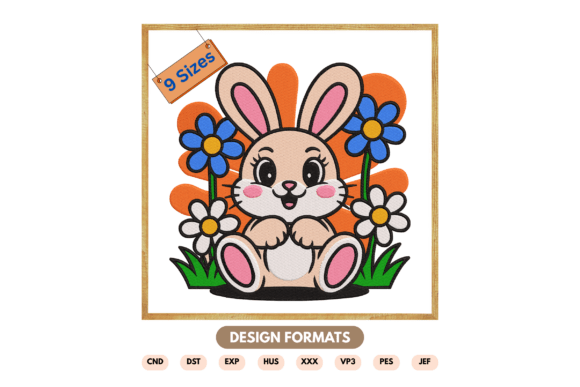
As a professional embroidery designer specializing in commercial merchandise and brand assets, I approach every new machine embroidery design with a critical eye toward production viability. When evaluating the Floral Bunny Machine Embroidery Design for small business applications, my primary focus shifts beyond simple aesthetics to technical performance and brand alignment. This design, described as featuring a sweet bunny accented with delicate floral details, immediately presents itself as a versatile asset for businesses aiming for a soft, approachable, and artisanal aesthetic. While categorized under Easter, its potential extends far beyond seasonal décor into year-round branding for boutiques, bakeries, florists, and handmade product lines.
Visual Personality and Brand Alignment
The first impression of this embroidery file is one of refined charm rather than juvenile playfulness. For a small business owner, this distinction is vital. A design that looks too cartoonish can undermine the perceived value of premium custom apparel or boutique merchandise. The Floral Bunny Machine Embroidery Design strikes a balance that feels professional yet friendly. It evokes a sense of craftsmanship and warmth, making it an excellent candidate for businesses that rely on trust and personal connection, such as local cafés, pet groomers, or creative studios.
From a brand identity perspective, this design communicates "handmade" and "care." It avoids the sterile look of corporate vector art, offering instead a textured, organic feel that resonates with customers seeking authentic experiences. For Etsy sellers or makers of handmade products, this visual language reinforces the narrative of quality and attention to detail. However, because the description highlights "delicate floral details," I must assess whether these fine elements will hold up when translated into thread on various substrates.
Commercial Applications and Merchandise Versatility
In a real-world business scenario, versatility dictates ROI. I have evaluated the Floral Bunny Machine Embroidery Design across several key commercial use cases:
- Embroidered Patches: This is perhaps the strongest application. The combination of a central figure with floral accents typically creates a natural border or fill area that works beautifully as a standalone patch. For a florist or garden center, this could serve as a staff identifier or a branded add-on for customer tote bags.
- Apron Embroidery: For bakeries and coffee shops, placing this design on the chest or pocket of an apron adds a signature touch without overwhelming the uniform. It softens the industrial look of standard workwear while maintaining professionalism.
- Tote Bag Design: Canvas totes are a staple for retail merchandising. The organic nature of the bunny and florals complements natural cotton textures perfectly, turning a simple bag into a desirable lifestyle accessory.
- Cap Embroidery: While possible, caps require careful consideration. The design would likely need to be resized or re-digitized specifically for the curved surface of a hat front to prevent distortion of those delicate floral elements.
- Product Packaging Accents: Beyond apparel, consider embroidering this motif onto linen napkins, cloth gift wrap, or premium pillowcases to elevate the unboxing experience for high-end retail items.
Technical Considerations for Production
While the aesthetic is appealing, the technical execution determines whether the Floral Bunny Machine Embroidery Design succeeds in commercial embroidery. Delicate details are often the first casualty when scaling designs down for smaller merchandise like sleeve cuffs or baby onesies. As a designer, I advise caution regarding stitch density. If the floral accents utilize high-density satin stitches packed too closely, they may cause fabric puckering or needle breaks on lighter materials. Conversely, if the density is too low, the design may look sparse and cheap on heavier fabrics like denim or canvas.
Fabric texture plays a massive role in the final output. On smooth poplin or twill, the fine lines of the bunny and flowers will render crisply. However, on textured fabrics like terry cloth or fleece, those same delicate details risk getting lost in the pile. In such cases, using a water-soluble topping stabilizer is non-negotiable to ensure the stitches remain visible and defined. Always verify the recommended hoop size and minimum dimensions before purchasing; resizing a complex design below its intended threshold often results in thread jams and poor registration.
Color management is another critical factor. The description mentions "soft" touches, which implies pastel or muted thread colors. While beautiful, low-contrast pastels can disappear on similarly colored garments. For dark uniforms or navy tote bags, you may need to adjust the thread palette to include higher contrast outlines or brighter floral centers to maintain visibility and legibility at a distance.
Strategic Implementation for Small Businesses
Integrating the Floral Bunny Machine Embroidery Design into your product line requires strategic planning to maximize customer engagement and perceived value. Consistency is key; using this design sporadically dilutes its impact as a brand marker. Instead, treat it as a core component of your visual system, appearing consistently across staff wear, packaging, and promotional items.
For businesses operating in the spring or Easter season, this design serves as an immediate seasonal hook. However, to extend its shelf life, pair it with neutral branding elements so it doesn't feel dated once the holiday passes. A bakery might use it year-round to signify "freshness" and "natural ingredients," while a pet brand might use it to represent gentleness and care. This adaptability increases the lifetime value of the digital embroidery file.
Professional Designer Notes and Best Practices
Before running a full production batch of small business merch, adhere to these professional protocols to ensure the finished product meets commercial standards:
- Verify Licensing: Before selling any item featuring this design, confirm the commercial licensing terms. Not all embroidery files permit resale on finished goods, and protecting your business from copyright issues is paramount.
- Create Printable Mockups: Use software to generate a realistic mockup of the design on your specific merchandise. Share this with clients or stakeholders for approval before stitching. This manages expectations regarding size, placement, and color accuracy.
- Test Stitch-Outs Are Mandatory: Never assume a digital file will stitch perfectly on your specific machine and fabric combination. Run a test in black and white first to check for registration errors or gaps in the outline without wasting expensive rayon threads.
- Evaluate Washability: If the merchandise is intended for frequent laundering (like aprons or kids' clothing), test the design's durability. Delicate floral stems may fray over time; adding a subtle edge stitch or adjusting the underlay can significantly improve longevity.
- Check Spacing and Legibility: If you plan to add custom text or a business name alongside the bunny, ensure adequate spacing. Crowding the design reduces readability and makes the embroidery look unprofessional.
- Compare Against Existing Assets: Place this design beside your current logo and other design assets. Does the stitch style match? Is the level of detail consistent? Visual cohesion builds trust, while mismatched styles suggest a lack of quality control.
The Floral Bunny Machine Embroidery Design offers significant potential for businesses seeking to infuse their merchandise with warmth and artisanal quality. By approaching it with technical diligence and strategic intent, you can transform a charming seasonal graphic into a powerful, year-round tool for brand recognition and customer loyalty. Always prioritize testing and fabric compatibility to ensure that the final embroidered product reflects the excellence of your business.