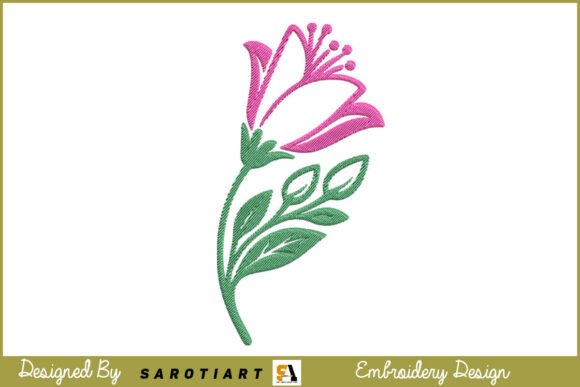
Simple Flower Design Embroidery: A Maker’s Review
As I prepare my inventory for the upcoming weekend craft fair, I am constantly evaluating which digital assets will translate best into physical sales. The Simple Flower Design Embroidery has caught my eye as a potential staple for this season's collection. When you are a boutique maker or an Etsy seller, you cannot afford to waste time on designs that look good on screen but fail in the hoop or on the sales table. This review breaks down my professional assessment of this machine embroidery design, focusing specifically on its viability for high-volume production and customer appeal at handmade markets.
First Impressions and Market Viability
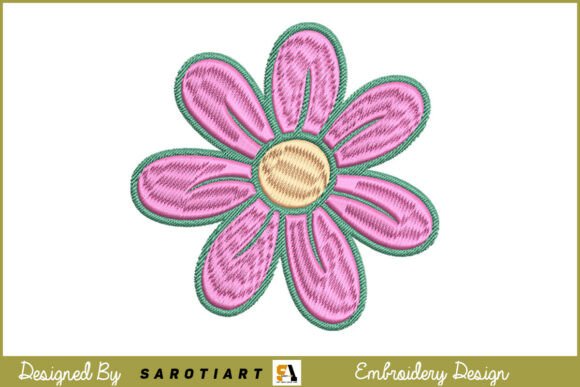
Upon opening the embroidery file, the immediate impression of Simple Flower Design Embroidery is one of versatile minimalism. In the current handmade market, there is a distinct shift away from overly complex, dense motifs toward clean, recognizable aesthetics that photograph well and stitch out quickly. This design feels modern yet timeless, striking a balance that appeals to both younger demographics looking for trendy tote bag designs and older customers seeking classic tea towel embroidery.
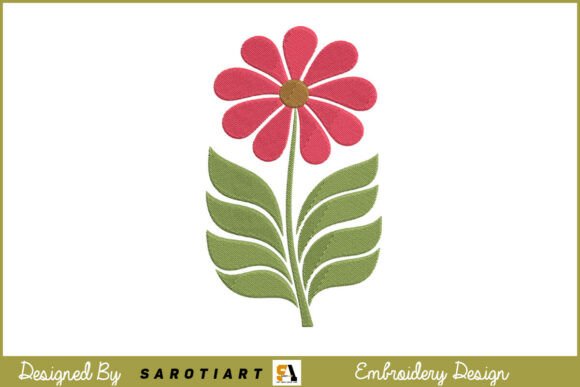
For a craft fair product, clarity is king. Customers walking past a booth have only seconds to register what an item is. Because this falls under the Single Flowers category, it avoids the visual clutter of intricate bouquets. It reads instantly as "floral" and "handmade" from a distance. This instant recognition is crucial for small shop products where impulse buys drive revenue. The simplicity suggests it will work beautifully as a premium accent rather than overwhelming the base fabric, allowing the quality of your linen, cotton, or canvas to shine through.
Best Applications for Craft Fair Inventory
When planning my table display, I categorize items by price point and production speed. Simple Flower Design Embroidery performs exceptionally well across multiple categories, making it a high-value asset for batch production.
- Tote Bags and Market Shoppers: This is arguably the strongest application. Canvas tote bags are a craft fair staple. The design serves as a perfect centerpiece or pocket accent. Because the description notes it is suitable for tote bags, I anticipate the digitizing accommodates the slight texture of canvas without losing detail.
- Kitchen Textiles: Tea towel embroidery and apron embroidery require designs that can withstand washing and frequent use. A simple flower motif implies fewer thread changes and less bulk, which keeps the fabric drapeable rather than stiff. This makes for a superior finished product that customers actually want to use.
- Children’s Apparel: Kids’ clothing requires softness. Dense, heavy embroidery can be scratchy and uncomfortable. Simple Flower Design Embroidery likely utilizes a lighter stitch density, making it safe and comfortable for t-shirts and bibs. This expands your target demographic to parents and gift-givers.
- Small Leather Goods and Pouches: For higher-margin items like zipper pouches or wristlets, this design adds perceived value without requiring a massive hoop size. It acts as a sophisticated branding element for your creative business.
Production Efficiency and Batch Stitching
For commercial embroidery and small business owners, time equals money. I evaluate every design based on its "hoop-to-sale" ratio. Simple Flower Design Embroidery appears optimized for efficiency. Unlike landscape scenes or photorealistic florals that might take 45 minutes to stitch, a simple floral accent likely runs significantly faster. This allows me to produce more units per hour during prep week.
Furthermore, the repeatability of this design is a major asset. When creating a cohesive booth display, brand consistency helps sell items. Using the same floral motif on an apron, a matching oven mitt, and a coordinating napkin set creates a "collection" feel. Shoppers are more likely to buy multiple items when they see intentional design curation. As an Etsy seller, this also simplifies listing creation; you can use the same printable mockup template with different fabric color variations to populate your shop quickly.
Critical Technical Considerations for Makers
While the aesthetic is appealing, practical execution determines profit margins. Before committing Simple Flower Design Embroidery to a full production run, consider these technical factors derived from real-world stitching experience.
Fabric Texture and Stabilizer Choice
The description mentions signs and various projects, implying versatility. However, textured fabrics like terry cloth towels or waffle-weave kitchen linens can swallow fine details. Even with a simple design, you must verify the stitch density. If the satin stitches are too narrow, they may sink into the pile. Always pair this design with an appropriate stabilizer. For tea towels, a medium-weight tear-away or wash-away topper is often necessary to keep the flower crisp. For caps or curved surfaces, ensure the design has been digitized with proper compensation for the curve, or stick to flat brims and unstructured fronts to avoid distortion.
Sizing and Clarity Limits
One of the most common mistakes in machine embroidery is resizing without testing. While Simple Flower Design Embroidery is marketed as an accent, shrinking it too small for patches or baby clothes can result in lost definition. Check the minimum recommended size in your embroidery software. Tiny details in petals or stems may merge if reduced below the digitizer's intended threshold. Conversely, enlarging it for a large pillow cover may reveal gaps in fill stitches if the design wasn't originally digitized for large formats. Always respect the integrity of the original embroidery file.
Thread Contrast and Color Planning
Simple designs rely heavily on contrast because there is nowhere for errors to hide. On dark fabrics, ensure you are using high-sheen rayon or polyester thread colors that pop against the background. A matte thread on dark navy canvas might make the flower disappear. Test your thread colors on scrap fabric first. What looks vibrant on a computer screen may look muddy on actual material. Document your successful thread combinations so you can replicate them exactly for future batches, ensuring your handmade product line remains consistent.
Enhancing Visual Appeal and Sales Value
Ultimately, Simple Flower Design Embroidery succeeds because it supports the product rather than competing with it. At a craft fair, buyers are touching the goods. They are feeling the fabric and inspecting the stitch quality. A clean, well-executed simple flower signals professional craftsmanship. It tells the buyer that you understand restraint and quality.
For digital sellers and those offering custom personalization, this design is a powerful tool. It leaves ample negative space for adding monograms or custom names. This transforms a standard stock design into a bespoke service, significantly increasing the average order value. Whether you are selling finished goods or the digital embroidery file itself, emphasizing the design's adaptability is key to marketing success.
Final Designer Recommendations
Before listing Simple Flower Design Embroidery in your shop or stitching it for your next market, complete this checklist:
- Verify Licensing: Confirm the commercial license terms. Ensure you have the right to sell finished products or resell the digital assets as permitted.
- Stitch Out a Sample: Never skip the test sew. Use the exact fabric and stabilizer combination you plan to sell.
- Check Hoop Requirements: Confirm the design fits your available hoops comfortably without hitting the edges, which causes tension issues.
- Create Real Mockups: Photograph the actual stitched sample for your Etsy listings. Buyers trust real photos over digital renders.
- Assess Washability: If selling wearables or kitchen items, wash and dry your test sample to check for puckering or thread shrinkage.
By treating Simple Flower Design Embroidery with professional scrutiny, you transform a basic digital file into a reliable revenue stream. Its strength lies in its ability to serve as a foundational element for a wide variety of craft fair products, from everyday tote bags to special occasion gifts. For the busy embroidery entrepreneur, having a go-to design that balances beauty, speed, and broad appeal is invaluable. With proper testing and strategic application, this single flower motif can help cultivate a flourishing handmade business.