Whirling Dervish Calligraphy: A Craft Fair Review
As an embroidery designer preparing for the upcoming weekend craft fair season, I approach every new machine embroidery design with a critical eye. It is not enough for a file to simply stitch out cleanly on my test fabric; it must translate into a viable craft fair product that catches the attention of shoppers walking past a crowded booth. When evaluating the Whirling Dervish Calligraphy Embroidery design, I am looking at the intersection of spiritual artistry and commercial viability. This review breaks down how this specific digital embroidery file performs in a real-world production environment, specifically for sellers focusing on religious artifacts, cultural gifts, and mindful home decor.
First Impressions: Elegance Meets Spiritual Motion
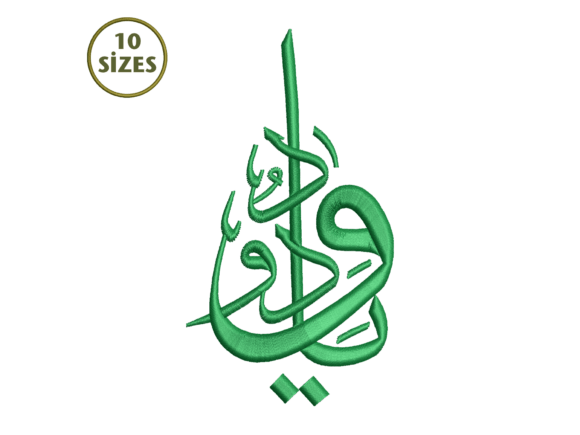
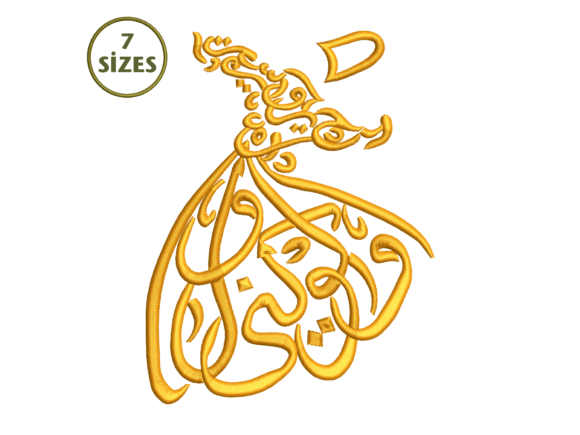
My immediate reaction to the Whirling Dervish Calligraphy Embroidery is that it strikes a delicate balance between traditional reverence and modern artistic expression. Unlike generic religious symbols that can sometimes feel static or overly ornate, this design captures kinetic energy. The calligraphy does not just spell out words; it mimics the swirling motion of the dervish itself. For an Etsy seller or boutique maker, this visual fluidity is a massive selling point. It feels premium and meditative rather than mass-produced.
In terms of aesthetic categorization, this design leans heavily toward elegant and minimal. It avoids the cluttered look that often plagues complex religious embroidery. Instead, it offers a sophisticated silhouette that appeals to customers seeking meaningful decor without overwhelming visual noise. As a handmade product, it signals intentionality. When displayed at a market table, it stands out as a piece of wearable or usable art, distinguishing your booth from vendors selling standard novelty items. The fusion of text and movement makes it instantly recognizable to those familiar with Sufi traditions, while remaining abstractly beautiful to general art lovers.
Best Applications for Market Sales
Determining where to place this design is crucial for inventory planning. Based on the flow of the calligraphy and the likely stitch density, I have identified specific products where this design will yield the highest return on investment.
- Tote Bag Design: This is arguably the strongest application. Canvas tote bags provide a stable, flat surface ideal for calligraphy. The natural cream color of unbleached cotton canvas offers perfect contrast for dark thread colors, making the intricate lines pop. Shoppers at craft fairs love functional art, and a tote featuring this meditative design serves as both a bag and a conversation starter.
- Tea Towel Embroidery: Linen or flour sack towels are excellent canvases. The vertical orientation of many dervish designs fits perfectly on a towel. However, because tea towels are washed frequently, ensure the design is not so dense that it distorts the lightweight fabric. This item targets the "mindful kitchen" demographic.
- Embroidered Patch: Creating patches allows you to sell the design at a lower price point while maintaining high margins. A 3-inch or 4-inch patch of this calligraphy can be applied to denim jackets or backpacks by the customer. This turns a single embroidery file into multiple revenue streams.
- Pillow Covers: For home decor vendors, this design adds instant value to throw pillows. The spiritual connotation makes it appropriate for meditation spaces, reading nooks, or guest rooms. Use a textured linen blend to enhance the organic feel of the calligraphy.
I would advise caution when applying this to caps. The curved surface of a hat can distort the precise lines required for legible calligraphy. Unless you have a specialized cap frame and have tested the distortion compensation, stick to flat surfaces to maintain the integrity of the art.
Production Practicalities and Technical Notes
From a production standpoint, the Whirling Dervish Calligraphy Embroidery requires careful handling. Calligraphy designs are unforgiving; if the registration is off by a millimeter, the letters become illegible. Before committing to batch production for a fair, you must verify the hoop size requirements against your machine’s capabilities. Large, sweeping calligraphy often requires larger hoops to avoid excessive re-hooping, which increases the risk of alignment errors.
Stabilizer selection is non-negotiable here. For tote bags and aprons, use a medium-weight cutaway stabilizer to prevent puckering around the dense satin stitches of the script. If stitching on textured towels, a water-soluble topping is essential to keep the stitches from sinking into the pile. Without a topping, the fine details of the calligraphy will disappear into the fabric texture, rendering the design muddy and unprofessional.
Regarding thread colors, high contrast is vital. Metallic threads can add a premium touch suitable for religious items, but they are prone to breaking during high-speed production. If using metallics for a large run, slow your machine speed and use a larger needle eye. Alternatively, matte rayon or polyester threads in deep charcoal, navy, or burgundy offer excellent readability and durability for items like apron embroidery or market bags that will see heavy use.
Visual Merchandising and Customer Engagement
At a physical booth, presentation dictates sales. Because this design carries cultural and religious weight, it should be displayed respectfully. Avoid placing it next to humorous or irreverent items. Create a dedicated section for spiritual or mindfulness-based goods. Using natural wood display stands or linen backdrops reinforces the organic, serene quality of the Whirling Dervish Calligraphy Embroidery.
For online sellers, photography is equally important. A flat lay of the finished product is necessary, but lifestyle shots drive engagement. Photograph the embroidered tote being carried, or the pillow styled in a cozy reading chair. Additionally, utilize a printable mockup to show potential custom order clients how the design looks on different colored fabrics before you commit to stitching. This reduces waste and helps secure pre-orders for made-to-order items.
The design also serves as a strong anchor for brand consistency. If your shop focuses on ethical fashion, sustainable goods, or cultural appreciation, this design aligns perfectly. It tells a story. When customers ask about the meaning behind the swirl, you have an opportunity to connect on a deeper level than a typical transaction. This narrative aspect is what transforms a simple small shop product into a cherished keepsake.
Essential Pre-Production Checklist
Before listing this item or packing your booth, adhere to these professional guidelines to ensure quality and legal compliance:
- Verify File Details: The product description states that files are delivered in ZIP or RAR format via instant download. Always unzip and inspect the files immediately upon purchase to ensure compatibility with your specific machine brand.
- Test Stitch Out: Never skip the test run. Stitch the design on scrap fabric identical to your final product. Check for thread breaks, tension issues, and registration alignment.
- Check Licensing: Confirm whether your purchase includes commercial embroidery rights for finished products. Some designers restrict files to personal use only. Protect your business by verifying this before selling.
- Assess Small Text: If the design includes tiny diacritical marks or dots common in calligraphy, measure them after stitching. If they are smaller than 1mm, they may pull out or look messy. Edit the file to slightly enlarge these elements if necessary.
- Create Real Samples: Digital mockups are useful, but nothing replaces a physical sample for judging hand-feel and drape. Ensure the embroidery does not make the fabric too stiff for its intended function.
The Whirling Dervish Calligraphy Embroidery is more than just a pattern; it is a versatile asset for makers who value depth and craftsmanship. By respecting the technical demands of calligraphy and presenting the finished goods with cultural sensitivity, you can create a standout collection that resonates deeply with buyers at your next craft fair or in your online store. Remember that in the category of Religion and Embroidery, authenticity and quality are the ultimate metrics of success.