Bee Machine Embroidery Design: A Seasonal Review
As I curate my upcoming seasonal collection, I am constantly evaluating which digital assets will translate best into profitable, high-quality finished goods. When reviewing the Bee Machine Embroidery Design for my spring lineup, my primary focus is on versatility and stitch integrity. This design immediately strikes a balance between playful charm and professional execution. The description highlights clean stitching and smooth fills, which are critical indicators for any embroidery designer looking to minimize production issues while maximizing visual appeal. For small business owners and Etsy sellers, this aesthetic signals a product that bridges the gap between cute novelty and premium handmade quality.
Capturing the Spring Mood and Emotional Tone
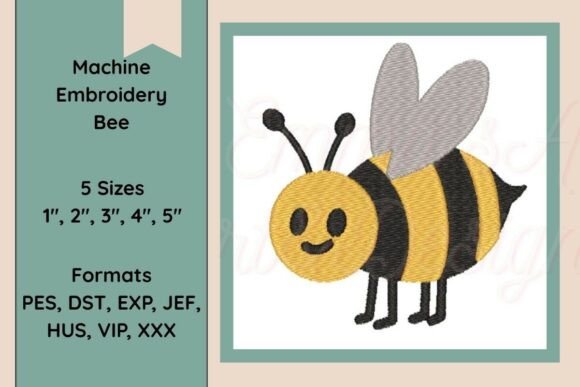
The first impression of this bee design is undeniably cheerful. In the world of seasonal embroidery, capturing the right emotional tone is just as important as technical precision. This design evokes feelings of warmth, renewal, and nostalgia, making it an ideal candidate for spring collections. It does not feel overly juvenile; rather, the charming smile and balanced proportions suggest a style that appeals to both children’s apparel buyers and adults seeking cozy cottage-core aesthetics. As a designer, I look for artwork that feels festive without being kitschy. This bee achieves that modern-rustic vibe perfectly, suggesting it will perform well on natural linen textures as well as soft cotton blends.
Real-World Applications for Holiday and Seasonal Selling
When planning a limited-time product drop or a holiday shop update, versatility is key to return on investment. I have identified several high-value applications for this specific machine embroidery design based on current market trends:
- Sweatshirt Embroidery: Placed on the left chest or centered on a crewneck, this design offers a lightweight alternative to heavy winter graphics. The smooth fills mentioned in the product details suggest it won’t create a bulletproof patch effect on fleece, maintaining garment drape.
- Kitchen Towel Embroidery: Spring cleaning and freshening up the home are major seasonal drivers. This bee motif works beautifully as a repeating border element or a standalone centerpiece on flour sack towels.
- Tote Bag Design: Canvas totes are staple items for craft fairs and farmers' markets. A cheerful bee adds perceived value to plain canvas, transforming it into a desirable personalized gift for gardeners or eco-conscious shoppers.
- Baby Items and Bibs: The "adorable" factor makes this perfect for baby showers. However, the clean stitching is the real selling point here, as it ensures the back of the embroidery remains smooth against sensitive skin.
- Pillow Cover Accents: For home decor lines, this design serves as an excellent accent piece. It pairs well with floral block letters or simple botanical vines to create a cohesive spring tablescape or living room refresh.
Technical Considerations and Fabric Limitations
While the aesthetic is strong, a professional review must address where caution is required. Not every substrate is suitable for every embroidery file. Based on the characteristics of smooth fills and detailed facial features, I advise testing before bulk production on specific items.
Navigating Challenging Substrates
Thick Towels and Pile Fabrics: While great for kitchen towels, thick terry cloth can swallow fine details. If you plan to use this bee on plush bath towels, you must use a water-soluble topping to prevent the stitches from sinking. Without it, the charming smile may get lost in the pile.
Stretchy Garments: Smooth fills require stable ground. On stretchy knits or performance wear, improper stabilization can lead to puckering or distortion of the bee’s shape. Always verify your stabilizer choice matches the fabric weight.
Dark Fabrics: Before committing to navy or black sweatshirts, test your thread colors. Bright yellow and gold threads can sometimes appear muddy on dark backgrounds without a proper underlay or white base layer. Ensure the contrast remains vibrant to maintain that festive spring energy.
Small Hoop Sizes: Be wary of resizing this design down significantly for tags or cuffs. Facial details and small text elements often suffer when reduced below 60% of original size. Always check the minimum recommended dimensions to preserve stitch definition.
Impact on Buyer Emotion and Product Value
In the competitive landscape of commercial embroidery and digital downloads, visual recognition drives sales. This Bee Machine Embroidery Design possesses strong brand consistency potential. For an Etsy seller, using this cohesive motif across multiple product types creates a recognizable shop identity. Customers who buy a bee embroidered patch are more likely to purchase a matching pillow cover if the art style is consistent.
Furthermore, the "giftability" of this design cannot be overstated. During spring holidays like Easter or Mother’s Day, buyers seek items that feel thoughtful. A generic flower is nice, but a bee with personality suggests effort and care. This emotional connection increases the perceived value of the finished product, allowing for better margins than basic stock designs. Social media previews featuring this design tend to perform well because the bright colors and happy expression stop the scroll, driving engagement during peak shopping periods.
Practical Designer Notes for Production Success
To ensure this seasonal embroidery addition succeeds in your shop, follow these practical steps before listing any finished products:
- Verify File Specifications: The product description mentions clean stitching, but always confirm the exact stitch count and hoop size requirements in your digital embroidery file before purchasing. Ensure it fits your machine’s capabilities.
- Test Stitch Density: Run a sample on your intended fabric. If the fills feel too stiff, adjust density settings or switch to a lighter weight thread. Comfort is paramount for wearable spring items.
- Create Realistic Mockups: Do not rely solely on digital renderings. Stitch out a physical sample and photograph it in natural light. Printable mockup accuracy builds customer trust and reduces returns.
- Plan Color Palettes: Test thread colors on both light and dark fabrics. Create a signature colorway for your brand—perhaps a muted mustard and sage green for a modern look, or classic bright yellow for traditional spring appeal.
- Review Licensing: Before selling sweatshirt embroidery or tote bags commercially, confirm the license terms included with the embroidery file. Ensure you have the rights to sell finished physical products derived from this design.
- Check Small Details: After stitching, inspect the eyes and smile closely. These are the focal points. If they are registering poorly, re-digitizing or adjusting pull compensation may be necessary before mass production.
Final Thoughts for Seasonal Collections
Integrating the Bee Machine Embroidery Design into your spring catalog is a strategic move for makers focusing on joyful, high-quality goods. Its combination of technical cleanliness and emotional warmth makes it a reliable workhorse for everything from personalized gifts to boutique apparel. By respecting the technical limitations of different fabrics and leveraging its broad seasonal appeal, you can create a collection that resonates deeply with holiday shoppers and handmade enthusiasts alike. Remember, successful seasonal selling is about matching the right design with the right application, ensuring that every stitch contributes to a product your customers will cherish.