Fence Machine Embroidery Design Review
As an embroidery designer constantly curating inventory for my personalized gift shop, I approach every new machine embroidery design with a critical eye. When planning for the upcoming season, I recently tested the Fence Machine Embroidery Design to see if it truly holds up for commercial production and meaningful client projects. The product description promises a charming addition to spring and holiday projects, but as someone who stitches for paying customers, I need to know if this classic picket fence motif translates into a high-quality finished product. After running several test stitches and evaluating its versatility, I have compiled my professional thoughts on how this design performs in a real-world small business setting.
First Impressions and Emotional Appeal
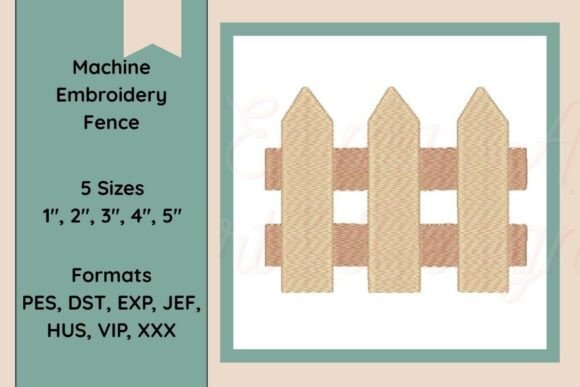
Upon loading the embroidery file into my software, the first thing that struck me was the immediate sense of nostalgia. This is not just a graphic; it carries a distinct mood that feels both sweet and elegantly handmade. For an Etsy seller or boutique owner, emotional connection is what drives sales, and this design delivers a classic garden aesthetic that resonates deeply with buyers looking for sentimental value. It strikes a delicate balance between playful and romantic, making it suitable for a wide demographic ranging from new parents to homeowners decorating for Easter or Mother’s Day.
The detail level appears well-suited for capturing that "cottagecore" vibe without being overly dense. In my experience, designs that are too intricate can sometimes lose their charm on textured fabrics, but this Fence Machine Embroidery Design seems optimized for clarity. It evokes feelings of safety, home, and blooming gardens, which are exactly the emotions we want to attach to a personalized gift. Whether you are aiming for a vintage farmhouse look or a fresh spring aesthetic, the visual language of this picket fence provides a perfect backdrop for customization.
Ideal Applications for Personalized Gifts
Versatility is key when investing in digital assets for a small shop product line. During my testing phase, I identified several high-value applications where this design shines brightest. For baby embroidery, the fence acts as a beautiful grounding element at the bottom of a receiving blanket or bib. It frames a baby’s name perfectly without overwhelming the delicate nature of infant items. Parents often seek nursery decor that feels timeless rather than trendy, and this motif fits that requirement effortlessly.
Beyond baby items, I found this design exceptionally strong for wedding and family keepsakes. Imagine a linen pillow cover featuring a couple's new surname nestled above a stitched white fence, symbolizing their new home together. As a wedding gift, this carries far more perceived value than generic monograms because it tells a story of domestic bliss. For everyday retail, custom embroidery on kitchen towels and aprons becomes significantly more attractive with this border. It transforms a utilitarian item into a piece of decor that customers are proud to display. Tote bags also benefit greatly; the horizontal orientation of the fence allows for ample space above for slogans, dates, or floral accents, maximizing the usable area of the bag.
Navigating Fabric Choices and Technical Constraints
While the Fence Machine Embroidery Design is versatile, professional results depend heavily on understanding where to use it carefully. Not all substrates treat this style of stitching equally. I advise fellow makers to be cautious when applying this to thick terry cloth embroidered towel sets. Unless you use a heavy-duty water-soluble topping and a firm stabilizer, the picket details may sink into the pile, resulting in a loss of definition that disappoints customers.
Stretchy baby clothes present another challenge. Knits require careful hooping and adequate stabilization to prevent distortion. If the fence lines warp during stitching, the illusion of a sturdy garden fence is broken. Similarly, dark fabrics demand strategic planning. A white fence on navy blue fabric is striking, but only if the thread colors provide enough contrast and coverage. Always check your stitch density; if it is too light for dark fabric, the background will show through, making the handmade product look unfinished. Conversely, if the density is too high for lightweight lawn or voile, the fabric may pucker around the fence posts. Testing on scrap fabric that matches your final project weight is non-negotiable before committing to a customer order.
Impact on Perceived Value and Buyer Trust
In the competitive world of commercial embroidery, presentation dictates price. This design enhances giftability because it looks intentional and professionally digitized rather than like a generic clip-art add-on. When photographing products for listings, the clean lines of the fence create natural negative space for staging props like flowers or greenery, improving your product photography and buyer engagement. Customers trust sellers who demonstrate attention to detail, and a crisp, well-registered fence border signals quality craftsmanship.
Furthermore, offering this as part of a seasonal collection helps build brand recognition. When buyers associate your shop with high-quality spring themes, they return for summer and winter collections. The emotional warmth of the Fence Machine Embroidery Design fosters a connection that simple text cannot achieve. It turns a standard transaction into a curated gifting experience, justifying a higher price point for your labor and artistry.
Essential Production Notes for Sellers
Before listing items made with this design, there are practical steps every maker must take to ensure success and compliance. First, always confirm the specific hoop size requirements listed in the file details. Never assume a design will fit your 4x4 hoop if the dimensions are borderline; resizing can distort stitch angles and ruin the integrity of the picket slats. Second, review the licensing terms included with the digital embroidery file. While many designers allow for finished products to be sold, some restrict mass production or require attribution. Protect your business by verifying these terms upfront.
- Test Stitching: Always run a sample on the exact fabric type intended for the final order to check for registration issues.
- Stabilizer Selection: Match your backing to the fabric weight; use cutaway for knits and tear-away for stable wovens.
- Color Verification: Compare thread charts against fabric swatches in natural lighting to ensure the fence stands out appropriately.
- Mockup Creation: Use a printable mockup or stitch-out photo to show clients exactly how the placement will look before production begins.
- Detail Check: Inspect small gaps between pickets after stitching to ensure no jump stitches are obscuring the design.
Ultimately, the Fence Machine Embroidery Design is a valuable asset for any embroiderer focusing on personalized, sentiment-driven goods. Its ability to adapt from a nursery blanket embroidery project to a sophisticated wedding keepsake makes it a workhorse in a digital library. By respecting the technical nuances of fabric texture and stabilizer choices, you can leverage this charming motif to create products that delight customers and elevate your shop’s reputation for quality handmade artistry. Remember to verify all specific file attributes provided by the original digitizer to ensure your creative vision translates perfectly from screen to fabric.