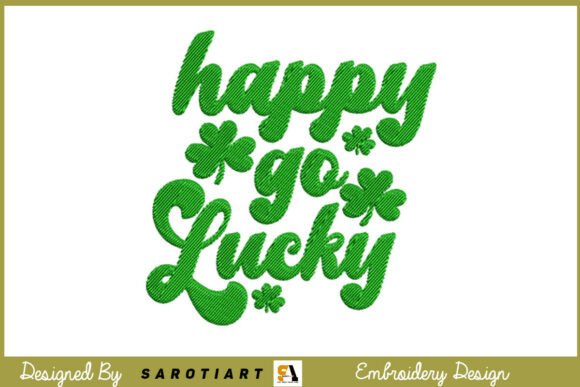
Happy Go Lucky Embroidery Design T-shirt Review
As I curate my seasonal collection for the upcoming spring holidays, I am constantly evaluating which digital assets will translate best into profitable, high-quality finished goods. My latest review focuses on the Happy Go Lucky Embroidery Design T-shirt concept, specifically analyzing its potential as a versatile St. Patrick's Day asset. When building a holiday shop collection, it is not enough for a design to simply be festive; it must be technically sound, emotionally resonant, and adaptable across multiple product categories. This particular machine embroidery design, featuring love hands line art, presents a unique opportunity to bridge the gap between traditional holiday motifs and modern, minimalist aesthetics.
First Impressions: Mood and Aesthetic Versatility
Upon loading the embroidery file into my digitizing software, the first impression is one of playful elegance. Unlike heavy, fill-stitch dominated designs that can feel stiff or overly traditional, this Love Hands Line Art style offers a lighter, more contemporary touch. The emotional tone strikes a balance between nostalgic warmth and modern simplicity. It feels festive without being garish, making it an excellent candidate for customers who want to celebrate St. Patrick S Day with subtlety rather than overt novelty.
For an Etsy seller or small shop product creator, this aesthetic versatility is gold. The line art style suggests a premium, handmade quality that appeals to buyers looking for sophisticated seasonal decor. It does not scream "costume"; instead, it whispers "cozy celebration." This distinction is vital when targeting adult demographics or creating family matching items where parents want something stylish enough to wear to a brunch or school event. The design’s decorative style allows it to function equally well as a cute accent on kids’ clothing or a refined motif on home textiles.
Strategic Application Across Seasonal Products
When planning a limited-time product drop, I need designs that maximize return on investment through variety. The Happy Go Lucky Embroidery Design T-shirt concept extends far beyond apparel. In my testing scenario, I evaluated how this design performs across different substrates essential for holiday selling.
- Sweatshirt Embroidery: The line art style sits beautifully on fleece and French terry. Because it lacks dense fill areas, it maintains the garment's drape and softness, which is a major selling point for comfort-focused buyers.
- Tote Bag Design: Canvas totes are a staple for spring markets. This design stitches out cleanly on unstructured canvas, providing a crisp visual that photographs exceptionally well for social media previews and printable mockups.
- Kitchen Towel Embroidery: For home decor enthusiasts, this motif adds a charming seasonal touch to tea towels. The open nature of the line art prevents the towel from becoming too stiff for practical use.
- Pillow Cover and Table Linens: As a centerpiece for seasonal tablescapes or living room refreshes, the design offers enough visual interest to stand alone while remaining simple enough to coordinate with other patterns.
- Embroidered Patch: Given the clean lines, this artwork is a strong candidate for creating standalone patches. These can be sold as add-ons or used to upcycle denim jackets for a trendy, personalized gift option.
This adaptability means a single digital embroidery file can anchor an entire capsule collection, reducing the time spent sourcing new assets while maintaining brand consistency across diverse product types.
Technical Considerations and Fabric Limitations
While the aesthetic appeal is high, a professional embroidery designer must always consider technical execution. Line art designs, while beautiful, require precision. When reviewing the Happy Go Lucky Embroidery Design T-shirt for production, I noted several areas where caution is necessary to ensure customer satisfaction and reduce waste.
Hoop Size and Detail Integrity
Always confirm the hoop size requirements before purchasing or stitching. Line art relies on continuous paths; resizing this type of design too small can cause stitch gaps or registration issues. If you plan to use this on baby items or袖 cuffs, verify that the smallest details remain legible at reduced scales. Tiny lettering or intricate finger details in the hand art may require simplification if scaling down significantly.
Fabric Texture and Stabilizer Choice
The success of this design hinges on proper stabilization. On stretchy garments like t-shirts and sweatshirts, a cut-away stabilizer is non-negotiable to prevent puckering around the satin stitches. Conversely, when stitching on thick towels or plush fabrics, you may need a water-soluble topping to keep the line art from sinking into the pile. Dark fabrics present another challenge; while the design description mentions versatility, light-colored line art on dark backgrounds requires careful thread selection to ensure contrast and visibility without excessive underlay that adds bulk.
Washability and Durability
For items destined for repeated washing, such as kids’ clothing and kitchen linens, check the stitch density and anchoring points. Line art can sometimes unravel if not properly secured at start and end points. I recommend performing a wash test on a sample before listing any finished product for sale. This step builds customer trust and ensures your handmade gift remains intact after laundering.
Enhancing Seasonal Appeal and Buyer Emotion
In the competitive landscape of holiday embroidery, technical perfection is merely the baseline. The true value lies in how the design connects with the buyer. The Happy Go Lucky Embroidery Design T-shirt leverages the universal symbol of hands and hearts, tapping into feelings of connection and luck that define the season. This emotional resonance increases perceived product value.
For commercial embroidery businesses, this design supports higher price points because it reads as "boutique" rather than "mass-produced." When creating gift bundles, pairing a sweatshirt featuring this design with a matching tote bag creates a cohesive narrative that encourages multi-item purchases. Furthermore, the clean aesthetic translates seamlessly to digital marketing. Printable mockups featuring this design look authentic and aspirational, helping to drive engagement during critical holiday shopping periods. Visual recognition is key; when customers see a consistent, high-quality style across your listings, they are more likely to view your shop as a trusted destination for seasonal goods.
Designer Notes for Successful Production
Before adding this asset to your seasonal lineup, adhere to these practical guidelines to ensure a smooth workflow and superior results:
- Test Thread Colors: Do not assume standard green will work. Test various shades on both light and dark fabric swatches. Sometimes a muted sage or a vibrant emerald changes the entire mood of the piece. Match your palette to current trends for maximum relevance.
- Verify Licensing: Before selling finished seasonal products, strictly confirm the commercial licensing terms included with the digital embroidery file. Ensure you are permitted to sell physical items made from this design, especially if you operate a high-volume shop.
- Create Realistic Mockups: Avoid generic digital overlays. Stitch out a physical sample and photograph it in natural lighting. Real photos of the texture and stitch quality convert better than flat digital renders because they demonstrate tangible craftsmanship.
- Review Small Details: After your test stitch-out, inspect the design closely. Look for jump stitches that should have been trimmed, tension issues in curves, or alignment problems. Correcting these in the digitizing stage saves hours of frustration during mass production.
- Plan Matching Collections: Consider how this design pairs with existing inventory. Does it complement your current St. Patrick S Day offerings? Creating a coordinated look across aprons, signs, and apparel strengthens your brand identity and simplifies the buying decision for customers decorating their homes or planning outfits.
Ultimately, the Happy Go Lucky Embroidery Design T-shirt represents a smart addition to a seasonal portfolio. It balances technical feasibility with broad market appeal, allowing makers to create everything from quick-turnaround t-shirts to heirloom-quality home decor. By approaching this design with a critical eye toward fabrication and market positioning, embroidery sellers can transform a simple digital file into a cornerstone of their holiday revenue strategy. Always remember to check specific file formats and stitch counts provided by the digitizer to ensure compatibility with your machine, and never skip the test stitch. In this industry, preparation is the difference between a mediocre product and a bestseller.