Happy St. Patrick s Day Embroidery Review
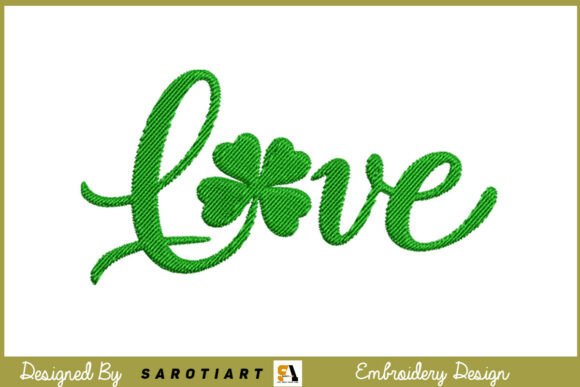
As a professional embroidery designer and product reviewer, I approach every new machine embroidery design with a critical eye for production viability. When evaluating the Happy St. Patrick s Day Embroidery file, specifically the Love Hands Line Art variation, my primary focus is not just on the festive aesthetic but on how this digital asset translates into a tangible, high-quality finished product. For Etsy sellers, craft business owners, and hobbyists preparing for the March rush, understanding the technical behavior of this design is essential before committing it to inventory or client projects.
First Impressions: Line Art Versatility and Mood
Upon loading the embroidery file into my digitizing software, the immediate strength of this design is its reliance on line art rather than heavy fill areas. This creates a lighter, more modern mood that distances itself from the dense, stiff traditional holiday motifs often seen in St Patrick S Day merchandise. The "Love Hands" concept offers a universal appeal that softens the specific holiday branding, making it suitable for a broader range of custom apparel and gifts.
Visually, the layout suggests excellent versatility. Because line art typically utilizes running stitch or light satin columns, it maintains fabric drape better than heavy fill stitch designs. This characteristic immediately signals that this design is a strong candidate for lightweight garments like baby onesies, flowy t-shirts, and unstructured tote bag design projects where maintaining the hand-feel of the base material is crucial for customer satisfaction.
Real-World Application: The Custom Tote Bag Test
To truly evaluate this design, I mentally simulated a real-life production scenario: creating a batch of natural canvas tote bags for a local boutique’s spring collection. Canvas can be unforgiving; thick textures can swallow fine details, and excessive density can cause puckering. In this context, the Happy St. Patrick s Day Embroidery performs exceptionally well because of its open structure.
When stitching onto medium-weight canvas, the line art style allows the fabric texture to remain visible, creating an organic, handmade aesthetic that buyers value. Unlike a dense shield or clover patch that might require heavy cutaway stabilizer and result in a stiff panel, this design integrates smoothly. For a small shop product, this efficiency means faster run times and less stabilizer waste. Furthermore, the visual weight of the hands balances perfectly on a tote without dominating the entire surface, leaving ample negative space for personalization or additional branding elements if desired.
Technical Performance Across Different Substrates
A versatile digital embroidery file must perform consistently across various materials. Based on the construction of this Love Hands Line Art design, here is how it adapts to common project types:
- Kids’ Clothing and Baby Embroidery: The low stitch profile makes this ideal for sensitive skin. There are no rough backing knots or dense patches that could irritate. However, when working with stretchy knits, using a fusible mesh stabilizer is non-negotiable to prevent the line work from distorting during wear and washing.
- Sweatshirt Embroidery: On fleece or French terry, line art can sometimes get lost in the pile. I recommend testing a slightly heavier thread weight or adjusting the underlay to ensure the stitches sit on top of the fabric nap rather than sinking in.
- Signs and Decor: For non-wearable items like pillow covers or wall signs, the design acts as a delicate accent. Its airy nature prevents it from looking too heavy on home decor fabrics like linen or cotton duck.
Navigating Fabric Challenges and Limitations
While the Happy St. Patrick s Day Embroidery is adaptable, experienced makers know that line art presents unique challenges. If you are planning to use this on highly textured fabrics like terry cloth or minky, be aware that thin lines may disappear visually. In these cases, this design might require modification or a different application method entirely.
Dark fabrics also demand careful consideration. Line art relies on contrast. If stitching white or pale green thread on black fabric, ensure your machine’s tension is perfect; any bobbin thread peeking through will be glaringly obvious in a single-line design. Additionally, avoid placing this design over seams or thick hems. The continuous path of line art does not forgive jumps caused by uneven surfaces, which can lead to registration issues or needle breaks.
For those considering this as an applique design element, note that the current description highlights line art. If you intend to use it as a placement guide for applique, verify the file includes specific tack-down and cover stitches. Without them, attempting to force a line art file into an applique workflow can result in frayed edges and unprofessional results.
Commercial Viability for Makers and Sellers
For creative entrepreneurs and handmade product sellers, time is money. This design supports efficient production workflows. The reduced stitch count compared to full-fill holiday designs allows for higher hourly output. This is particularly relevant for craft fair prep or fulfilling bulk orders for corporate events where margins are tighter.
From a marketing perspective, the "Love Hands" motif extends the shelf life of the product beyond March 17th. While clearly themed for holiday embroidery, the sentiment of love and unity allows the item to transition into general spring inventory. This flexibility is vital for Etsy seller success, reducing the risk of dead stock post-holiday. When creating printable mockups or listing photos, the clean lines photograph crisply, conveying professionalism and attention to detail that builds buyer trust.
Essential Designer Notes for Successful Stitch-Outs
Before launching this Happy St. Patrick s Day Embroidery into production, adhere to these professional best practices to ensure quality and compliance:
- Verify Licensing Terms: Always confirm whether your purchase includes commercial rights for selling finished physical products versus selling the digital embroidery file itself. These licenses differ significantly, and protecting your business starts with respecting intellectual property.
- Test on Scrap Fabric First: Never run a new design directly on a sellable garment. Test on a scrap of the exact fabric and stabilizer combination you plan to use. Check for puckering, thread breaks, and design alignment.
- Evaluate Thread Color Contrast: Green on green can be tricky. Test variegated threads against solid greens to see which offers better definition. Sometimes a subtle cream or gold outline enhances visibility more than a matching monochrome palette.
- Check Hoop Size Compatibility: Ensure the design dimensions fit comfortably within your hoop with adequate clearance. Crowding the hoop edges can cause tension fluctuations that distort delicate line work.
- Inspect Small Details: Zoom in on the digital preview to check for tiny text or intricate finger details. If the design contains elements smaller than 4mm, they may not stitch out cleanly on all machines. Adjustments or simplification might be necessary for smaller formats.
- Mockup Testing: Create both light and dark background mockups. A design that pops on white might vanish on forest green. Seeing the design in multiple contexts helps you write better product descriptions and set accurate customer expectations.
Final Thoughts on Production Value
The Happy St. Patrick s Day Embroidery design represents a smart choice for makers seeking a balance between festive relevance and production efficiency. Its line art construction respects the integrity of the base fabric, making it superior for comfortable personalized gift items and wearable custom apparel. By understanding its technical nuances—from stabilizer selection to substrate compatibility—you can elevate this digital asset from a simple seasonal graphic to a signature element of your professional embroidery portfolio. Whether you are stitching for a boutique collection or a cherished family keepsake, approaching this design with technical mindfulness ensures the final result honors both the craft and the occasion.