Tactical Soldiers Embroidery Design Review
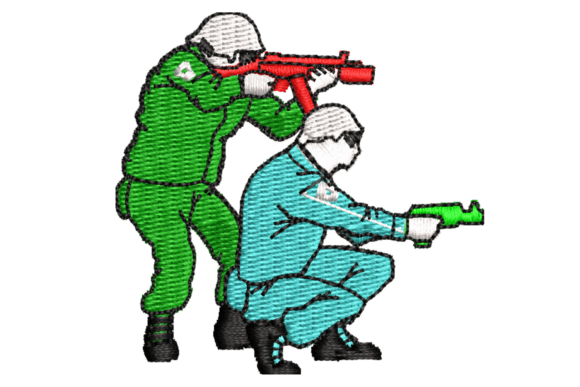
As I prepare my booth inventory for the upcoming weekend craft fair, I am constantly evaluating which digital assets will translate best into physical sales. When reviewing the Tactical Soldiers Embroidery Design, my immediate impression is one of bold, structured authority. This is not a soft, farmhouse-style motif or a whimsical nursery graphic; it is a purposeful, high-contrast image that communicates discipline and readiness. For an embroidery business owner or Etsy seller targeting military families, veterans, and tactical enthusiasts, this design carries significant weight. The depiction of two soldiers in training positions suggests teamwork and professionalism, making it a strong candidate for products that need to convey respect and durability rather than mere decoration.
Evaluating Market Viability for Craft Fairs
When setting up a table display, visual hierarchy is everything. Customers walking through a crowded handmade market make split-second decisions based on clarity. The Tactical Soldiers Embroidery Design performs exceptionally well as a focal point because of its narrative element. Unlike generic camo patterns or simple text, the interaction between the two figures creates a scene that invites closer inspection. In my experience, designs featuring human figures in active poses tend to stop traffic longer than static icons, provided the digitizing is clean.
For a craft fair product lineup, this design shines brightest on functional gear rather than decorative home goods. While I might hesitate to put this on a delicate tea towel or a pastel pillow cover, it is perfect for heavy-duty items. A canvas tote bag design featuring these soldiers appeals to buyers looking for rugged utility. Similarly, apron embroidery for BBQ masters or outdoor cooks fits the masculine, disciplined aesthetic perfectly. If you are selling at a venue with a strong veteran presence or near a base, this design could easily become your top seller for caps and patches.
Best Product Applications and Merchandising
To maximize sales, you must match the design's mood to the correct substrate. Here is how I would prioritize production for this specific machine embroidery design:
- Embroidered Patches: This is arguably the highest-value application. Tactical gear enthusiasts collect patches, and a design showing training positions implies authenticity. Ensure you use a merrowed edge or tight satin border for a professional finish.
- Caps and Hats: The verticality of standing or kneeling soldiers often fits the curved front panel of a cap better than wide landscapes. However, this requires careful hooping to prevent distortion.
- Tactical Pouches and Bags: Small fabric pouches made from Cordura or heavy canvas serve as excellent small shop product options. They are quick to produce and have a high perceived value when paired with precise stitching.
- Training Uniforms: As noted in the product description, this is ideal for unit shirts or gym wear. For commercial embroidery businesses servicing local teams or clubs, this design offers a customizable team spirit element.
Conversely, I would advise against using this design on terry cloth tea towel embroidery projects unless you have extensive experience with high-pile fabrics. The detail required to show facial features and uniform insignia can easily get lost in the loops of a towel, resulting in a muddy appearance that devalues your handmade product.
Production Realities and Technical Considerations
From a digitizer’s perspective, tactical themes present unique challenges. The Tactical Soldiers Embroidery Design likely contains complex shading and small details to depict equipment and uniforms accurately. Before committing to batch production, you must assess the stitch density. Dense fill stitches used to create realistic shading can cause puckering on lighter fabrics. Always pair this design with a robust stabilizer; a cutaway backing is usually necessary for stretchy knits, while tear-away may suffice for woven canvas bags.
You must also verify the minimum size requirements. A design featuring two full figures cannot be scaled down indefinitely without losing definition. Tiny lettering on uniforms or intricate strap details will turn into thread blobs if resized below the digitizer's recommended threshold. Always check the specifications of your embroidery file before purchasing or stitching. If the listing does not specify safe resize limits, run a test stitch-out at your intended smallest size to ensure clarity.
Color Management and Fabric Contrast
Thread selection dictates whether this design looks premium or amateur. Tactical themes rely heavily on earth tones—olive drab, coyote brown, charcoal, and black. However, stitching dark thread on dark fabric is a common pitfall for Etsy seller listings and booth displays alike. Without sufficient contrast, the soldiers disappear into the background. I recommend testing thread colors against your specific fabric swatches. Sometimes, shifting to a slightly lighter shade of green or adding a subtle highlight stitch can dramatically improve visibility and depth.
Furthermore, consider the cultural context if you are marketing internationally or within specific regions like Africa, where military aesthetics may carry different connotations or color preferences. Adapting your palette to suit local tastes or specific branch regulations can broaden your customer base. Always respect the symbolism inherent in military imagery; accuracy in uniform details matters deeply to this niche audience.
Marketing Your Finished Products Online
While the physical item sells itself at a fair, online sales depend entirely on presentation. A printable mockup is useful for listing variations, but nothing beats a photograph of the actual finished product. Buyers want to see how the Tactical Soldiers Embroidery Design interacts with the fabric texture. Take close-up macro shots that showcase the stitch quality and the sheen of the thread. This builds trust and demonstrates that you understand the technical demands of design assets involving complex figures.
When writing your product descriptions, emphasize the themes of discipline and teamwork mentioned in the original brief. Use keywords naturally, such as "military gift," "tactical gear," and "veteran appreciation." Explain that you have tested the design on the specific item being sold. This reassurance is vital for buyers who have been burned by poorly digitized files or low-quality commercial embroidery in the past.
Designer Checklist Before Selling
Before you list this design or stock your booth, complete this practical checklist to ensure professional results:
- Test Stitch on Scrap: Never run a new design directly on a sellable item. Verify registration and tension first.
- Confirm Hoop Size: Ensure your machine’s hoop accommodates the design dimensions with adequate margin for stabilization.
- Check Licensing: Verify that your purchase includes commercial rights for selling finished products. Digital files are often licensed differently than physical goods.
- Inspect Small Details: Look closely at faces and hands after stitching. If they lack definition, edit the file or choose a larger product size.
- Create a Real Sample: Photograph a physical sample for your main listing image. Authenticity drives conversion in the tactical niche.
- Review Thread Contrast: Ensure the design is legible from a distance of three to five feet, simulating booth viewing conditions.
The Tactical Soldiers Embroidery Design offers immense potential for makers willing to respect its technical and thematic requirements. It is a powerful asset for those serving the military and tactical community, provided it is executed with precision. By focusing on appropriate substrates, maintaining strict quality control, and presenting the final work with professionalism, you can turn this digital file into a cornerstone of your craft fair success and online shop growth. Remember, in this niche, quality is not just an aesthetic choice; it is a sign of respect for the subject matter.