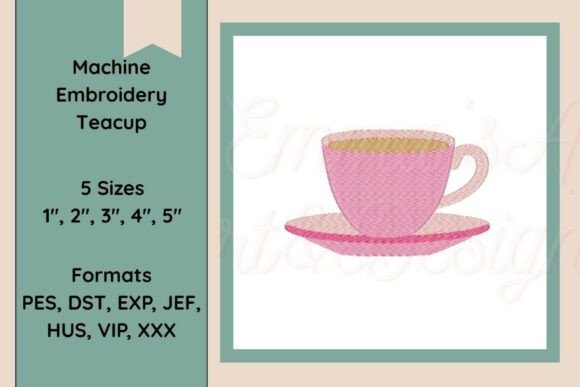
Teacup Saucer Machine Embroidery Design Review
As a professional embroidery designer specializing in commercial merchandise and brand identity, I approach every new digitization file with a critical eye. When evaluating the Teacup Saucer Machine Embroidery Design, my primary focus is not just its aesthetic charm for personal crafting, but its structural integrity for small business applications. While the product description highlights elegance and Mother’s Day themes, this design holds significant potential for cafes, bakeries, florists, and boutique brands seeking a sophisticated visual marker. This review analyzes the technical performance and commercial viability of this machine embroidery design for professional use.
Visual Personality and Brand Alignment
The first impression of the Teacup Saucer Machine Embroidery Design is one of classic refinement. For a business owner, this visual tone communicates warmth, tradition, and attention to detail. Unlike bold, blocky logos that scream for attention, this design invites engagement through softness and nostalgia. In a commercial setting, this personality is invaluable for businesses that rely on atmosphere and customer comfort.
For a local tea shop or an artisan bakery, this design serves as more than decoration; it acts as a non-verbal promise of quality. The elegance inherent in the artwork suggests that the business values craftsmanship. However, designers must ensure this softness translates well into thread. A digital embroidery file that looks delicate on screen can sometimes become muddy or indistinct when stitched if the stitch density is too high or the details are too fine. From a branding perspective, this design works best for businesses aiming for a premium, handmade product feel rather than a fast-service corporate identity.
Commercial Applications for Small Business Merch
When integrating the Teacup Saucer Machine Embroidery Design into a merchandise lineup, versatility is key. Based on the motif's structure, here is how it performs across various custom apparel and accessory categories:
- Apron Embroidery: This is perhaps the strongest application. Placed on the chest pocket area of a canvas apron, the teacup motif reinforces the hospitality theme without overpowering staff name tags or primary logos. It adds a layer of branded sophistication to workwear.
- Tote Bag Design: For retail environments selling loose-leaf tea, baked goods, or floral arrangements, this design creates an immediate emotional connection. On natural cotton canvas, the elegant lines of the saucer and cup contrast beautifully, turning a functional bag into a desirable fashion accessory.
- Embroidered Patch Production: Because the design features a contained shape, it is an excellent candidate for creating standalone patches. These can be sold as add-ons at checkout or used as packaging accents on gift boxes. Ensure the border definition is clean enough to support a merrowed edge or heat-cut finish.
- Mother’s Day Collections: Leveraging the seasonal aspect mentioned in the description, this design is perfect for limited-edition merchandise. Tea towels, linen napkins, or decorative pillows featuring this motif can drive seasonal sales while reinforcing brand recognition.
- Cap Embroidery: Use caution here. While the design is charming, caps present a curved, unstable surface. This motif may work on unstructured dad hats but could distort on structured baseball caps unless resized specifically for headwear.
Technical Considerations and Production Risks
Beauty does not always equal durability in commercial embroidery. As you prepare this Teacup Saucer Machine Embroidery Design for production, specific technical factors require verification to prevent costly reworks or damaged inventory.
Fabric Texture and Stabilizer Selection
The elegance of this design likely relies on smooth satin stitches or fine fill patterns. These stitch types are unforgiving on textured fabrics. If you are embroidering onto ribbed knit polos or heavy canvas tote bags, the fabric texture may compete with the design details. Always pair this design with appropriate stabilizer. For lightweight tea towels or linens, a tear-away might suffice, but for stretchy apparel or caps, a cut-away stabilizer is often necessary to maintain registration and prevent puckering around the saucer rim.
Stitch Density and Washability
Small business merch, especially uniforms and aprons, faces frequent laundering. You must verify the stitch density of this digital embroidery file. If the design is overly dense to achieve a polished look, it may create a bulletproof patch effect that causes fabric distortion or needle breaks during production. Conversely, if it is too sparse to save stitch count, the design may degrade after several wash cycles. Run a test stitch-out and subject it to a wash test before committing to a bulk order.
Sizing and Detail Integrity
There is a minimum viable size for any machine embroidery design. While the Teacup Saucer Machine Embroidery Design may look crisp at 4 inches, reducing it to a 2-inch sleeve accent or cap logo might cause the handle or rim details to merge. Before resizing, check the smallest legible dimension. If your intended application requires a tiny footprint, you may need to simplify the design assets by removing interior shading or thinning outlines to accommodate the physical limitations of thread.
Impact on Customer Trust and Perceived Value
In the handmade and small business sector, presentation dictates price point. A poorly executed embroidery job signals amateurism, whereas a clean, well-placed Teacup Saucer Machine Embroidery Design elevates the perceived value of the entire product. When customers see precise stitching with good coverage and no stray jump stitches, they subconsciously attribute that same care to the tea, food, or service being offered.
Furthermore, consistent use of this design across touchpoints—from staff uniforms to shopping bags—builds visual cohesion. Brand identity is not just about a logo; it is about the cumulative feeling of interacting with a business. This specific motif bridges the gap between functional merchandise and emotional storytelling, encouraging customers to keep and reuse items like tote bags and tea towels long after the initial purchase.
Designer Notes for Pre-Production Testing
Before loading this embroidery file into your machine for a client project or inventory run, follow this professional checklist to ensure success:
- Verify Commercial Licensing: Confirm that the license for this Teacup Saucer Machine Embroidery Design permits commercial sale of finished products. Never assume rights based on the file purchase alone.
- Create a Printable Mockup: Before stitching, place a digital mockup of the design on photos of your actual blank merchandise. Send this to clients for approval to manage expectations regarding placement and scale.
- Test Thread Colors: Elegant designs often rely on subtle tonal shifts. Test your thread palette on the actual garment color. White thread on cream fabric may disappear, while dark thread on black may lack definition. Adjust contrast as needed.
- Check Hoop Size Compatibility: Ensure the design fits comfortably within your hoop with adequate margin for stabilization. Crowding the hoop edges leads to tension issues and misalignment.
- Inspect Spacing and Trims: Open the file in your editing software to check for excessive jump stitches or unnecessary trims. Optimizing the stitch path can reduce production time and improve the backside appearance of the finished product.
- Compare Beside Other Assets: Place this design next to your existing brand logos. Does the style match? If your main logo is modern and geometric, this ornate teacup might clash. Ensure visual consistency across all design assets.
The Teacup Saucer Machine Embroidery Design offers a beautiful opportunity for small businesses to infuse their merchandise with elegance and charm. By approaching it with technical diligence and strategic intent, you can transform a simple digital file into a powerful asset for brand building and customer engagement. Always prioritize testing and fabric compatibility to ensure that the final embroidered result honors both the artistry of the design and the professionalism of your business.